
How Machines Restore Archival Film — or, at least, are trying to
posted March 3, 2020
Film restoration is a painstaking endeavor. It involves much careful observation of archival film, repair of any damage, and preservation from future ravages of time. The tools for doing all that are increasingly sophisticated. Specialists certainly can relate as much, but it may interest the general film enthusiast to hear a little about what the modern-day process of digital restoration entails.
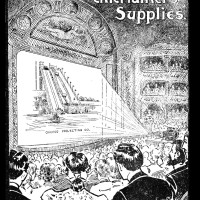
How to Break into Movies — in 1907
posted April 12, 2016
With a long-ago birthday present from his grandmother, Darren Nemeth, a Michigan early-film enthusiast, has been able to publish a refurbished edition of a 1907 catalog that told traveling film exhibitors everything they needed to know if they were to succeed in the burgeoning business.
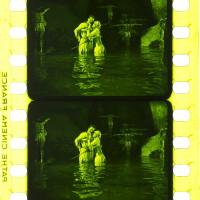
Reproducing Film Colors, and Their Significances
posted March 17, 2016
Barbara Flueckiger is figuring out how best to determine the colors that films have had, throughout cinema history. She is developing means to replicate the colors in digital restorations. Her huge challenge: to understand not only the properties of film colors, but also their origin in cultural tastes for particular color palettes. Her work is shading film interpretation and film history.
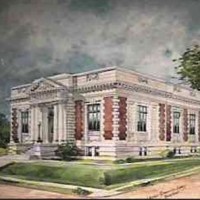
Belleville, Looking Like a Great Place to Live
posted July 25, 2014
Belleville, New Jersey's library will use a grant from the Library of Congress-funded National Film Preservation Foundation to preserve a film homage to the town.
Preserving the Colors of Yellowstone
posted July 24, 2014
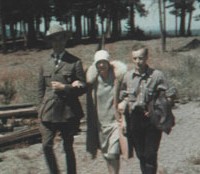
A Kodacolor film, the first color footage of Yellowstone National Park, will survive thanks to a grant from the National Film Preservation Foundation. They don't make film like Kodacolor, any more.
Federal Funds Will Save 65 Films from Deterioration
posted July 24, 2014
The National Film Preservation Foundation has provided grants to 35 institutions in 22 U.S. states to preserve 65 films. The support is part of the federal appointed agency's annual cycle of support for films deemed historically important.
The Man Who Filmed Early Anchorage
posted July 24, 2014
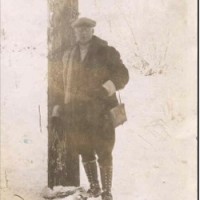
Little motion-picture documentation exists of life in pre-WWII Anchorage, Alaska, and far less from before 1930. The National Film Preservation Foundation has awarded a grant to Alaska Moving Image Preservation Association to look after some of the footage that has survived.

Coming to a Website Near You: Tornadic Vortex Signature
posted July 24, 2014
Thanks to a grant from the National Film Preservation Foundation, the National Severe Storms Laboratory will preserve footage of the 1973 Union City, Oklahoma Tornado that helped scientists improve the ability to forecast tornado activity

Cinema from the Sun
posted March 17, 2014
The South Wales-based but eminently mobile Sol Cinema lays claim to the title “the world’s smallest solar movie theatre.” Its operators built it in 2009 from an abandoned trailer home that they found derelict in a field, bought for £50, gutted, and installed with the best theatre fittings that having little money afforded.

China Girls, Leading Ladies, Actual Women
posted February 21, 2014
From the days before color film until the early 1990s hundreds of anonymous women graced more motion-picture film reels than perhaps any film star. And yet movie-goers never saw them; they, and their purpose, were known only to film-lab workers and projectionists.