
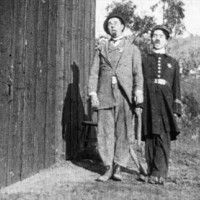
What Researchers Are Saying About Charlie Chaplin, and a Rare Chaplin Film is Rediscovered
posted August 27, 2010
It remains shocking to many film enthusiasts that the reception of Charlie Chaplin in America does not compare with the reception of Charlie Chaplin in, say, the United Kingdom, Europe, or even Japan. Even in the 1960s, children in many other nations grew up watching the Little Tramp and Chaplin’s other alter egos. Not so, in the United States, although a schooling in other greats of the silent era – Fatty Arbuckle, or Buster Keaton, say – has been, and remains, even more lacking. Still, a slowing of Chaplin-related publications, American or not, seems highly unlikely.
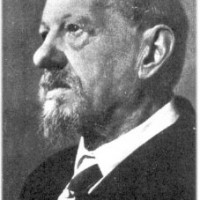
Detecting the History of Sound-on-Film
posted August 24, 2010
Twenty-four frames of one of the earliest surviving recordings of sound-on-film, a test strip that Eugene Lauste made between 1910 and 1912, merely hints at the revolution that was to come. Only 24 frames long, it belongs to a Florida collector who bought it at an estate sale along with other items from Lauste’s obscure career. Alongside the frames, which show nondescript images of plants, lies a series of black squiggles that encode sound – perhaps the first sound ever simultaneously reproduced with images on film.
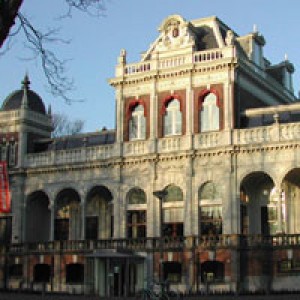
Going Dutch on a Moving Image Archiving Degree
posted August 17, 2010
If you’re contemplating completing a master’s degree in moving-image archiving, you could hardly find a more appealing place to do so than Amsterdam. Apart from everything else – bike-friendly, crisscrossed with scenic canals, liberal beyond American dreams – it is home to world-class film collections and institutions that excel in restoration, research, and educational programs, and several of those have been involved in the University of Amsterdam’s archiving program since its inception in 2003. The program, in its seventh year, boasts an impressive record of combining solid schooling in the skills of the trade with a firm grounding in film history and related subjects. In Amsterdam’s master’s-degree program in the preservation and presentation of the moving image...
NHPRC Project Archivist
posted August 6, 2010
The Autry and Braun Research Libraries at the Autry National Center of the American West, in Glendale, Los Angeles, California, are seeking an NHPRC Project Archivist starting October 4, 2010. The appointment is for two years, full time, with benefits. The institution, which holds one of the world’s most comprehensive research collections pertaining to Native
Some Tips on Using this Site
posted August 3, 2010
We’ve set up Moving Image Archive News so that it can update you every day or two on what is most recent the site. You can subscribe (lower left) via a “reader” (free of charge); then, you will receive updates via email as new items appear. All new items do go on the Blog, with